

April 3, 2026
Estimated Reading Time
8 Minutes & 40 Seconds
What types of fabrics do wholesale kurti manufacturers use?
When retailers and boutique owners source garments in bulk, they often ask an important question: what types of fabrics do wholesale kurti manufacturers use? The answer directly impacts product quality, customer satisfaction, and long-term brand success. Today, wholesale kurti manufacturers in Jaipur and across India work with a wide range of fabrics to meet different market demands, seasonal needs, and fashion trends.
Understanding these fabrics helps buyers make informed decisions while choosing suppliers, especially when dealing with a trusted anarkali kurti factory Jaipur or other large-scale manufacturers.
Cotton: The Evergreen Choice
Wholesale kurti manufacturers widely use cotton due to its comfort, breathability, and affordability. Cotton kurtis remain highly popular, especially in warmer climates like India. Retailers prefer cotton because it suits daily wear and appeals to a broad customer base.
Manufacturers often experiment with different types of cotton, such as cambric, voile, and slub cotton, to create diverse textures and finishes. Jaipur-based suppliers, known for their block printing techniques, frequently use cotton to showcase traditional designs.
Rayon: Affordable and Stylish
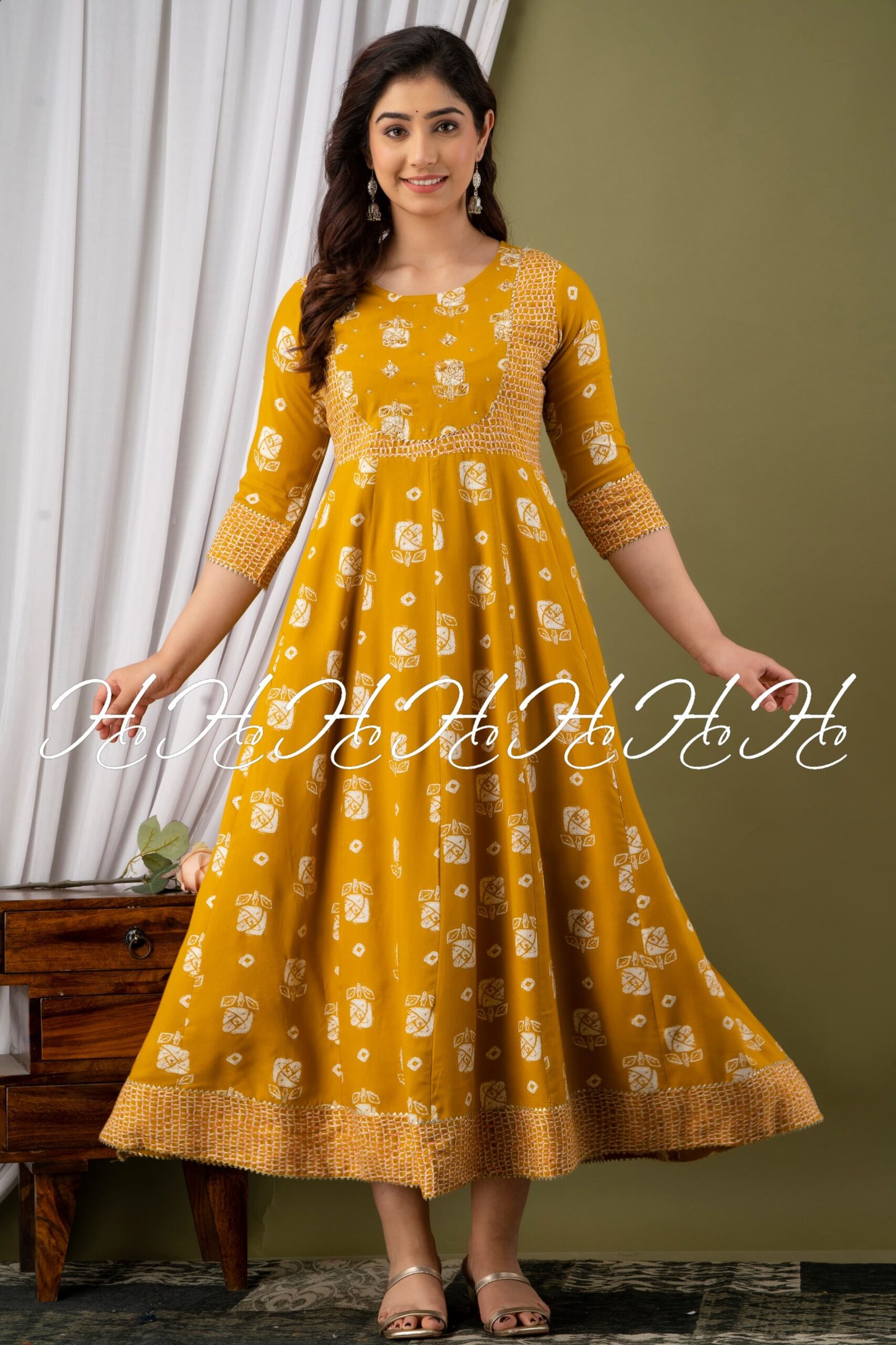
Rayon has become a favorite among wholesale kurti manufacturers in Jaipur because it offers a silky feel at a lower cost. This semi-synthetic fabric drapes beautifully and enhances the overall look of kurtis, making it ideal for both casual and semi-formal wear.
An anarkali kurti factory Jaipur often uses rayon to create flowy silhouettes that appeal to modern customers. The fabric absorbs dye well, allowing manufacturers to produce vibrant colors and intricate patterns.
Silk: Premium and Festive Appeal
For festive and high-end collections, manufacturers rely on silk fabrics. Silk kurtis exude elegance and luxury, making them perfect for weddings, parties, and special occasions.
Wholesale kurti manufacturers use different varieties of silk, such as art silk, chanderi silk, and banarasi silk, to cater to various price ranges. Jaipur suppliers often blend traditional craftsmanship with silk fabrics to create unique and eye-catching designs.
Georgette: Lightweight and Flowing
Georgette is another popular fabric used by wholesale kurti manufacturers. Known for its lightweight and slightly sheer texture, georgette adds a graceful flow to kurtis.
This fabric works especially well for anarkali styles, where movement and drape play a crucial role. An anarkali kurti factory Jaipur frequently uses georgette to produce elegant, layered outfits that appeal to fashion-conscious buyers.
Chiffon: Soft and Elegant
Chiffon offers a soft, airy feel that enhances the elegance of any kurti. Wholesale kurti manufacturers use chiffon primarily for party wear and designer collections.
Although chiffon requires careful handling during stitching, experienced manufacturers in Jaipur excel at working with this delicate fabric. They often combine chiffon with linings to improve durability and comfort.
Linen: Modern and Sophisticated
Linen kurtis have gained popularity among urban customers who prefer a minimalist and sophisticated look. Wholesale kurti manufacturers in Jaipur use linen for its durability, natural texture, and breathable properties.
This fabric suits both formal and casual wear, making it a versatile option for retailers targeting premium segments. Linen kurtis often feature subtle designs, earthy tones, and clean cuts.
Velvet: Rich and Luxurious
Velvet is not an everyday fabric, but it plays an important role in winter and festive collections. Wholesale kurti manufacturers use velvet to create luxurious kurtis with a rich texture and deep color tones.
An anarkali kurti factory Jaipur may incorporate velvet into bridal or festive designs, adding embroidery or embellishments to enhance the garment’s appeal.
Organza: Trendy and Fashion-Forward
Organza has recently gained popularity in the fashion world. This sheer, lightweight fabric gives kurtis a modern and stylish look.
Wholesale kurti manufacturers in Jaipur use organza for designer pieces, often layering it over other fabrics to create a structured yet delicate appearance. It works well for fusion wear and contemporary styles.
Blended Fabrics: Practical and Cost-Effective
To balance quality and cost, many wholesale kurti manufacturers use blended fabrics. These combinations, such as cotton-polyester or silk blends, offer durability, wrinkle resistance, and affordability.
Retailers often prefer blended fabrics because they are easy to maintain and suitable for everyday use. Jaipur manufacturers use these blends to produce large volumes without compromising on style.
Khadi: Traditional and Sustainable
Khadi represents India’s rich textile heritage and has gained renewed popularity due to the rise of sustainable fashion. Wholesale kurti manufacturers increasingly use khadi to cater to eco-conscious customers.
Jaipur-based suppliers often combine khadi with traditional dyeing and printing techniques, creating unique and culturally rich kurtis.
Choosing the Right Fabric for Your Business
When sourcing from wholesale kurti manufacturers in Jaipur, retailers should consider factors such as target audience, pricing, and seasonal demand. For example:
- Cotton and rayon work best for daily wear collections
- Silk and velvet suit festive and premium markets
- Georgette and chiffon are ideal for party wear
- Linen and khadi appeal to niche and eco-conscious buyers
Partnering with a reliable anarkali kurti factory Jaipur ensures consistent quality and access to a wide variety of fabrics.
Conclusion
Wholesale kurti manufacturers use a diverse range of fabrics to meet the evolving needs of the fashion industry. From breathable cotton to luxurious silk and trendy organza, each fabric serves a unique purpose.
YOU MAY ALSO LIKE
When retailers and boutique owners source garments in bulk, they...
Oscar Anderson
April 3, 2026

Learning to drive is a life-changing skill that combines freedom,...
Grace Taylor
April 1, 2026

Learning how to drive is one of the most important...
Grace Taylor
March 31, 2026