

March 7, 2026
Estimated Reading Time
8 Minutes & 40 Seconds
What is the production process followed by kurti manufacturers?
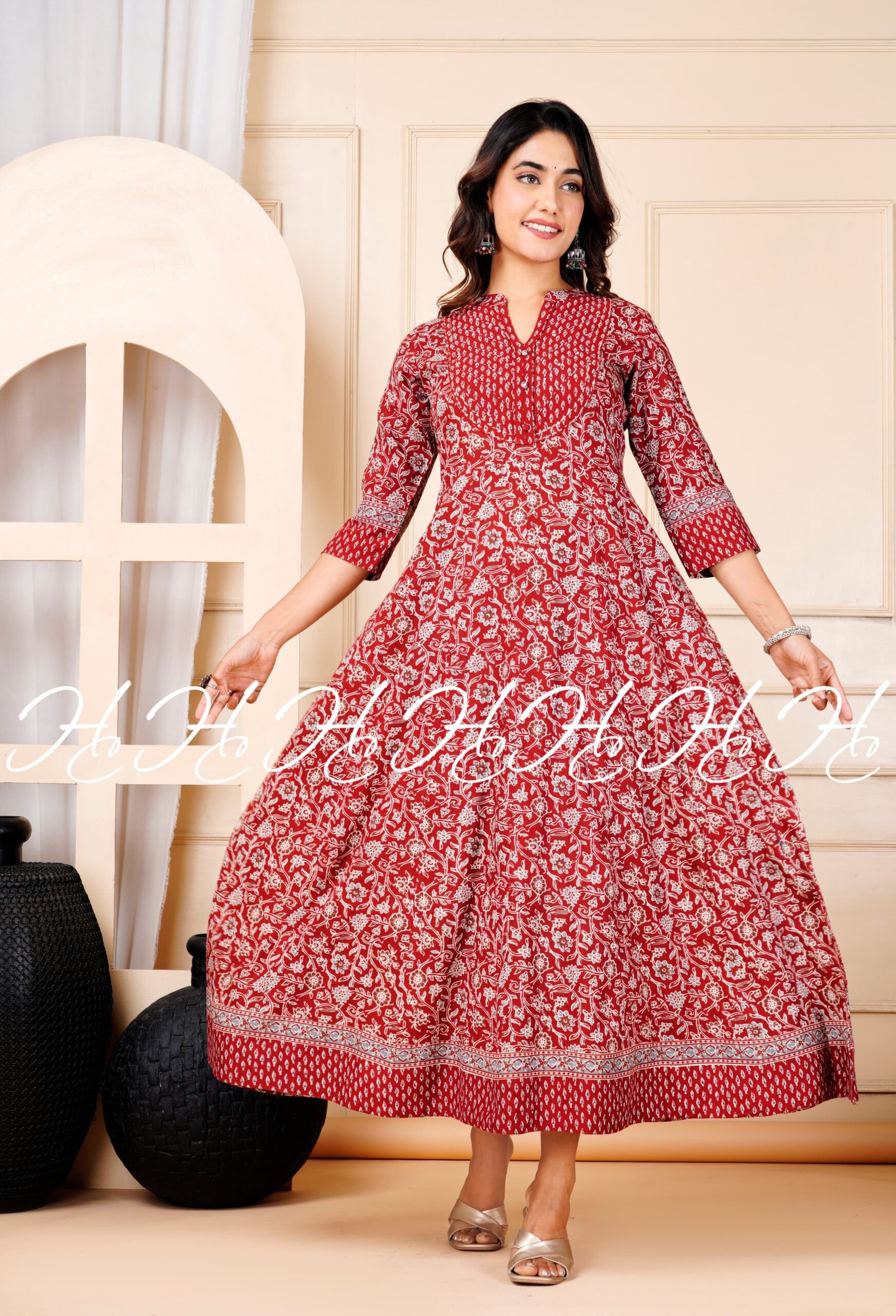
The Indian fashion industry has seen remarkable growth in ethnic wear, and kurtis remain one of the most popular clothing choices for women. From casual daily wear to festive outfits, kurtis combine comfort, style, and cultural tradition. Many people searching for kurti manufacturers near me or reliable kurti manufacturers in India often want to understand how these garments are produced. The production process followed by kurti manufacturers involves several well-organized stages that ensure quality, style, and durability.
In this article, we will explore the step-by-step production process used by professional kurti manufacturers.
1. Market Research and Design Development
The production journey begins with market research and design planning. Successful kurti manufacturers in India closely study fashion trends, customer preferences, and seasonal demands before creating new designs.
Design teams often analyze:
- Latest fashion trends
- Customer buying patterns
- Fabric preferences
- Color combinations and embroidery styles
After gathering insights, designers create sketches or digital designs for new kurtis. These designs include details about neckline styles, sleeve patterns, embroidery work, prints, and length. This stage ensures that manufacturers produce kurtis that appeal to modern consumers.
2. Fabric Selection and Sourcing
Once the design is finalized, the next step involves choosing the right fabric. Fabric selection plays a critical role in determining the quality and comfort of the final product.
Popular fabrics used by kurti manufacturers in India include:
- Cotton
- Rayon
- Linen
- Silk
- Chiffon
- Georgette
Manufacturers often source fabrics from textile hubs across the country. High-quality fabric ensures durability, color retention, and comfort. Many people searching for kurti manufacturers near me prefer companies that use premium fabrics and follow strict quality standards.
3. Pattern Making
After selecting the fabric, manufacturers move to the pattern-making stage. Pattern making involves creating a template that determines how the fabric will be cut and stitched.
Pattern makers use design measurements to create paper or digital patterns. These patterns represent different parts of the kurti, such as:
- Front panel
- Back panel
- Sleeves
- Neckline shape
- Side slits
Accurate pattern making ensures that each kurti fits properly and maintains the intended design.
4. Fabric Cutting
Fabric cutting is the next important step in the production process. Skilled workers use the patterns to cut the fabric pieces precisely. Many large-scale kurti manufacturers in India use automated cutting machines to ensure accuracy and speed.
During this stage:
- Fabric layers are spread on large cutting tables.
- Patterns are placed on the fabric.
- Cutting machines or scissors are used to cut pieces.
Precision in cutting helps reduce fabric waste and ensures uniformity across multiple garments.
5. Printing, Dyeing, and Embellishment
After cutting, the fabric pieces may undergo additional treatments such as printing, dyeing, or embroidery depending on the design.
Common techniques used by kurti manufacturers in India include:
- Block printing
- Screen printing
- Digital printing
- Hand embroidery
- Machine embroidery
- Mirror work and embellishments
These decorative techniques add uniqueness and beauty to kurtis. Many customers searching for kurti manufacturers near me prefer manufacturers who specialize in traditional Indian embroidery and handcrafted details.
6. Stitching and Assembly
Once all decorative processes are complete, the fabric pieces move to the stitching department. Skilled tailors assemble the different parts of the kurti using industrial sewing machines.
The stitching process usually includes:
- Joining front and back panels
- Attaching sleeves
- Stitching side seams
- Creating necklines and collars
- Adding buttons, zippers, or decorative elements
Professional kurti manufacturers in India ensure that stitching is neat, durable, and consistent across all pieces.
7. Quality Control and Inspection
Quality control plays a vital role in the production process. Before packaging, every kurti undergoes a thorough inspection to ensure that it meets the required standards.
Quality inspectors check for:
- Stitching defects
- Fabric damage
- Color consistency
- Proper fitting and measurements
- Clean finishing
Reliable kurti manufacturers near me always prioritize quality checks to maintain their reputation and customer satisfaction.
8. Finishing and Ironing
After passing quality inspection, the kurtis move to the finishing department. Workers trim loose threads, clean the garment, and prepare it for final presentation.
At this stage:
- Garments are ironed or steam-pressed.
- Labels and tags are attached.
- Final adjustments are made if necessary.
Proper finishing enhances the overall appearance of the kurti and ensures that customers receive a polished product.
9. Packaging and Distribution
The final step in the production process is packaging and distribution. Finished kurtis are folded carefully and packed in protective covers or branded packaging.
Many kurti manufacturers in India supply their products to:
- Retail stores
- Fashion boutiques
- Online marketplaces
- Export markets
Customers searching for kurti manufacturers near me often look for manufacturers who offer bulk supply, wholesale pricing, and reliable delivery services.
Conclusion
The production process followed by kurti manufacturers involves multiple stages, from design and fabric selection to stitching, quality control, and packaging. Each step requires skilled professionals and attention to detail to ensure that the final garment meets fashion standards and customer expectations.
YOU MAY ALSO LIKE
Jaipur has earned a strong reputation as a vibrant hub...
Oscar Anderson
March 21, 2026
The Indian fashion industry has seen remarkable growth in ethnic...
Oscar Anderson
March 7, 2026
The refineries operate under one of the worst conditions within...
Oscar Anderson
February 19, 2026