

February 14, 2026
Estimated Reading Time
8 Minutes & 40 Seconds
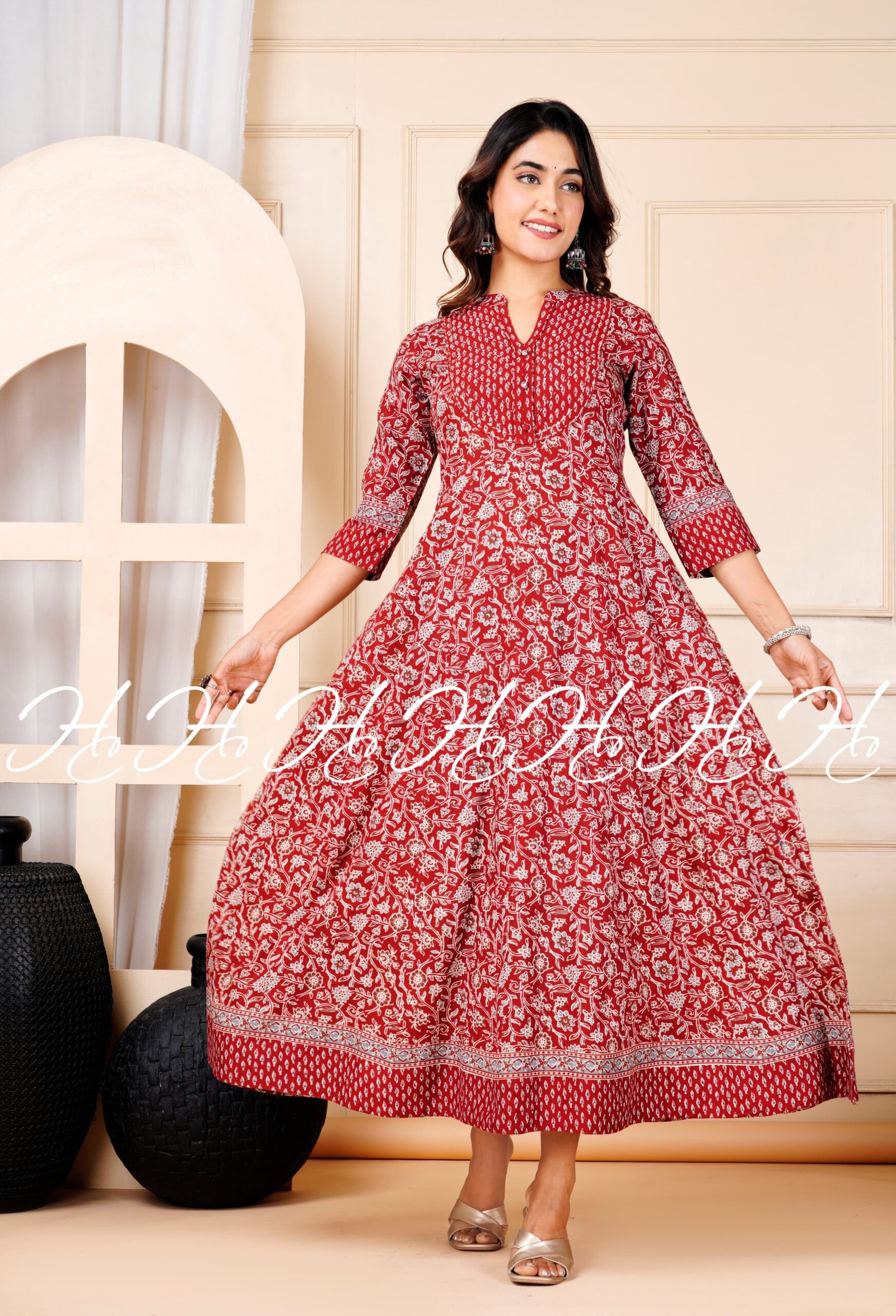
Does an anarkali kurti factory provide international shipping support?
When retailers and boutique owners look beyond domestic markets, they often ask an important question: does an anarkali kurti factory provide international shipping support? The short answer is yes—many modern factories understand the global demand for Indian ethnic wear and actively build systems to ship products worldwide. However, the depth and quality of that support can vary. If you plan to source garments for international resale, you should understand how these factories structure their logistics, documentation, packaging, and customer communication.
An experienced anarkali kurti factory jaipur typically designs its operations with export readiness in mind. Jaipur has long been a textile and garment hub, so manufacturers there frequently work with overseas buyers. Because of this exposure, many factories invest in export-friendly processes, including partnerships with freight forwarders, courier companies, and customs consultants. This ecosystem allows them to handle shipping efficiently while minimizing delays.
One of the biggest advantages of working with export-ready factories is documentation support. International shipping requires accurate paperwork, including invoices, packing lists, product classification codes, and declarations. A professional factory understands these requirements and prepares documents correctly to prevent customs holds. When paperwork is incomplete or inaccurate, shipments can stall for weeks. Reliable manufacturers reduce that risk by assigning trained staff to manage export compliance.
Packaging also plays a major role in successful global shipping. Garments must travel long distances without damage, moisture exposure, or wrinkling. A quality-focused factory uses layered packaging—protective sleeves, moisture-resistant outer wraps, and strong cartons—to ensure products arrive in retail-ready condition. This attention to packaging is especially important for premium anarkali designs, where presentation affects resale value.
Another key factor is shipping flexibility. Buyers often need options based on urgency and budget. Air shipping offers speed but costs more, while sea freight reduces expenses for bulk orders. Established wholesale kurti manufacturers in jaipur typically present multiple shipping methods and help buyers choose the best balance between cost and delivery time. Some factories even negotiate courier discounts due to high shipping volumes, passing savings on to clients.
Communication transparency is equally important. International buyers want visibility into order timelines, dispatch dates, and tracking details. Professional factories maintain clear communication channels through email, messaging platforms, or dedicated account managers. This transparency builds trust and allows buyers to plan inventory, marketing, and sales cycles confidently.
Customs and duties are another area where factories can provide guidance. While buyers ultimately handle import taxes in their destination country, experienced exporters share general insights about customs procedures. They label shipments accurately, reducing the likelihood of disputes or inspections. Some factories even coordinate with logistics partners to streamline clearance processes, making the experience smoother for first-time importers.
Scalability also matters when shipping internationally. As your business grows, you may need larger or more frequent shipments. A capable factory adapts production and logistics capacity to match that growth. Instead of treating shipping as an afterthought, they integrate it into their workflow. This proactive approach helps prevent bottlenecks during peak demand seasons.
Quality control ties directly into international shipping success. Returning defective goods across borders is expensive and time-consuming. Reputable factories implement inspection stages before dispatch, ensuring garments meet agreed standards. This reduces the chance of disputes and protects long-term partnerships.
It’s also worth noting that global shipping support reflects a factory’s professionalism. Manufacturers who invest in export infrastructure signal their commitment to serving international markets. They understand that buyers expect reliability, punctuality, and consistency—not just attractive garments.
However, not all factories offer the same level of service. Some may outsource logistics entirely, resulting in communication gaps. Others may lack familiarity with certain destination markets. That’s why buyers should ask detailed questions before placing orders. Discuss shipping timelines, insurance options, packaging standards, and tracking systems. Clarify who bears responsibility if delays occur.
Ultimately, the best factories view international shipping as a partnership, not just a transaction. They work collaboratively with buyers to anticipate challenges and deliver solutions. This mindset transforms logistics from a stress point into a competitive advantage.
YOU MAY ALSO LIKE
ContentMeci dar riscuri ce bani virtuali | Mond CasinoTop Sloturi...
Grace Taylor
July 24, 2026
ContentBullsbet aplicație - Road rutes Riches FeatureDe chip să bonus...
Grace Taylor
July 24, 2026
ContentCoins game | Rotiri gratuite fără rulaj și dar platăCum...
Grace Taylor
July 24, 2026