

October 17, 2026
Estimated Reading Time
8 Minutes & 40 Seconds
What Is the Best Joint Replacement Treatment in Bilaspur?
Joint pain can make everyday activities difficult. Simple tasks such as walking, climbing stairs, standing, or sitting may become painful when a joint suffers from severe damage. Arthritis, age-related wear and tear, previous injuries, and certain medical conditions can affect joint health. When medicines and other non-surgical treatments no longer provide relief, joint replacement surgery may offer a suitable solution.
Choosing the right hospital and treatment plan plays an important role in recovery. If you are searching for Joint replacement treatment in Bilaspur, understanding the available procedures, benefits, and recovery process can help you make an informed decision. Patients who also experience bone injuries can explore appropriate Fracture treatment in Bilaspur to address their specific needs.
What Is Joint Replacement Treatment?
Joint replacement is a surgical procedure that replaces damaged parts of a joint with artificial components. Surgeons commonly perform this procedure on the knee and hip, although other joints may also require replacement.
Severe osteoarthritis, rheumatoid arthritis, injuries, and long-term joint damage can affect movement and cause persistent pain. When these problems interfere with daily life, an orthopaedic specialist may recommend joint replacement after evaluating the patient’s condition.
The main goals of joint replacement include reducing pain, improving mobility, and helping patients return to their regular activities. The surgeon selects the appropriate procedure based on the affected joint, the extent of damage, the patient’s age, and overall health.
Which Types of Joint Replacement Surgery Are Available?
Different patients require different surgical approaches. An orthopaedic specialist evaluates the joint and recommends the procedure that best suits the patient’s condition.
- Total Knee Replacement
Total knee replacement treats severe damage to the knee joint. The surgeon removes damaged cartilage and a small amount of underlying bone before placing artificial components.
Doctors often recommend this procedure for patients with advanced osteoarthritis, significant knee deformity, or persistent pain that limits movement. After surgery, physiotherapy helps patients improve flexibility, strengthen muscles, and gradually regain mobility.
- Partial Knee Replacement
Partial knee replacement treats damage limited to one section of the knee. Instead of replacing the entire joint, the surgeon replaces only the affected compartment when the patient’s condition makes this approach suitable.
This procedure may preserve more healthy bone and tissue. However, the specialist must carefully evaluate the remaining cartilage, ligaments, and joint stability before recommending it.
- Total Hip Replacement
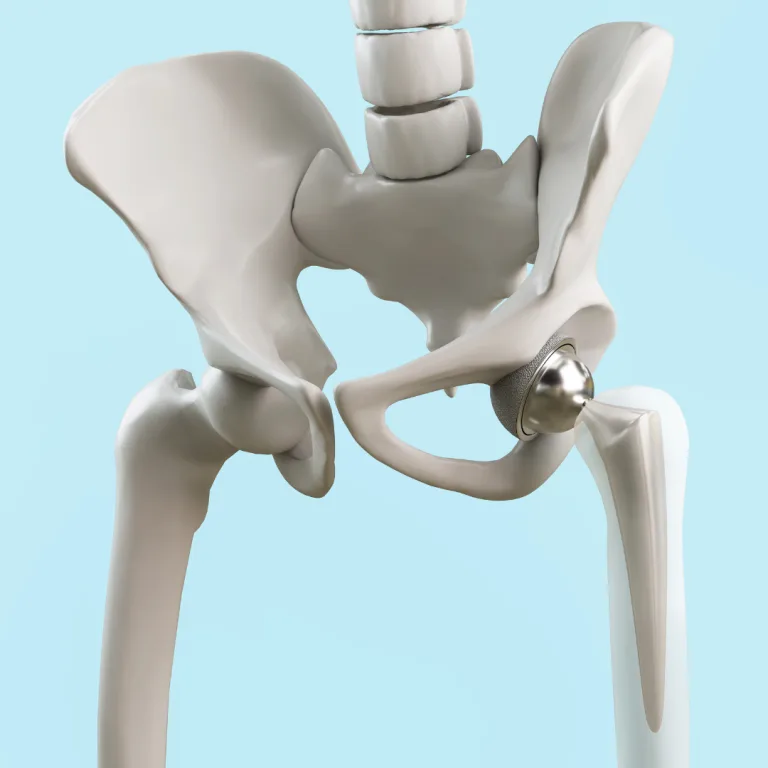
Total hip replacement addresses severe damage to the hip joint. The surgeon replaces the damaged ball and socket with artificial components designed to support movement.
Patients with advanced hip arthritis, certain fractures, or serious joint damage may benefit from this procedure. The treatment plan depends on the cause of the problem and the patient’s overall health.
- Revision Joint Replacement
Sometimes, an earlier joint replacement develops complications or wears out over time. Revision surgery replaces or repairs some or all of the existing artificial components.
Surgeons recommend revision procedures only after evaluating the cause of the problem, which may include implant loosening, infection, instability, or other complications.
Who Needs Joint Replacement Treatment in Bilaspur?
Not every patient with joint pain needs surgery. Doctors generally recommend joint replacement when the damage becomes severe and other treatments fail to provide adequate relief.
You may need an orthopaedic evaluation if you experience:
- Persistent knee or hip pain that affects daily activities.
- Stiffness that limits normal joint movement.
- Difficulty walking, standing, or climbing stairs.
- Joint swelling or deformity associated with advanced arthritis.
- Pain that continues despite prescribed medicines and physiotherapy.
- Reduced independence because of restricted mobility.
An orthopaedic specialist may use physical examinations, X-rays, and other tests to determine the cause of your symptoms. The doctor will also review your medical history and discuss whether surgery offers meaningful benefits.
How Can You Choose the Right Hospital for Joint Replacement?
Selecting a suitable hospital requires more than comparing prices or advertisements. Patients should consider the quality of orthopaedic care, surgical expertise, rehabilitation services, and access to diagnostic facilities.
Here are several factors to evaluate before making your decision.
Check the Orthopaedic Specialist’s Experience
Look for a qualified orthopaedic surgeon with experience treating the affected joint. Ask about the surgeon’s approach to your condition, the expected benefits, potential risks, and alternative treatments.
A good specialist explains the procedure clearly and helps you understand what to expect before and after surgery.
Evaluate Diagnostic and Surgical Facilities
Accurate diagnosis helps doctors select the most appropriate treatment. Check whether the hospital provides suitable imaging facilities, surgical support, anaesthesia services, and postoperative monitoring.
These services help the medical team manage different stages of treatment.
Review Rehabilitation Support
Physiotherapy plays an important role after joint replacement. A structured rehabilitation programme helps patients improve strength, flexibility, balance, and walking ability.
Before choosing a hospital, ask about physiotherapy availability, follow-up appointments, and guidance for recovery at home.
Understand the Treatment Cost
The total cost may depend on the type of surgery, implant selection, hospital stay, investigations, medicines, and rehabilitation requirements.
Ask the hospital for a detailed estimate and clarify what the package includes. Discuss insurance coverage and payment options before scheduling the procedure.
What Is the Role of Fracture Treatment in Bilaspur?
Fractures and joint damage can sometimes affect the same area of the body. A severe injury may damage the bone near the hip or knee, while certain fractures can directly involve the joint surface.
Fracture treatment in Bilaspur may include immobilisation, casting, splinting, medication, or surgery, depending on the location and severity of the injury. Doctors use examinations and imaging tests to determine whether the bone can heal with conservative care or requires surgical fixation.
Some complex fractures, particularly those involving the hip joint, may require joint replacement instead of conventional fracture fixation. However, the surgeon makes this decision after assessing the fracture pattern, bone quality, joint condition, and patient’s overall health.
If an accident causes severe pain, visible deformity, an open wound, or an inability to bear weight, seek urgent medical attention. Avoid moving a suspected fracture unnecessarily.
How Should You Prepare for Joint Replacement Surgery?
Proper preparation can support a safer procedure and a smoother recovery. Your doctor may recommend several steps before surgery.
- Complete the required tests: Attend medical evaluations and investigations recommended by your healthcare team.
- Review your medicines: Tell your doctor about all medicines and supplements you take. Follow instructions about any necessary changes.
- Manage existing health conditions: Follow medical advice to optimise conditions that could affect healing or anaesthesia.
- Prepare your home: Arrange a safe walking area, remove tripping hazards, and keep frequently used items within easy reach.
- Plan postoperative support: Arrange help with transportation, household activities, and early recovery if needed.
Follow your surgeon’s instructions carefully, particularly regarding fasting, medicines, and hospital admission.
What Can You Expect During Recovery?
Recovery after joint replacement varies according to the procedure, overall health, and individual healing progress. Many patients begin supervised movement soon after surgery when their medical team considers it safe.
Physiotherapists guide patients through exercises that improve circulation, muscle strength, balance, and joint movement. Patients should follow their prescribed exercise programme and avoid activities that the surgeon restricts.
During recovery, attend follow-up appointments and report unusual swelling, increasing pain, wound discharge, fever, or other concerning symptoms. Sudden breathlessness or chest pain requires emergency medical attention.
Although many patients experience substantial pain relief and improved function, joint replacement does not guarantee complete recovery or identical results for everyone. Consistent rehabilitation and appropriate long-term joint care remain important.
Why Consider Mundra Hospital for Orthopaedic Care?
When exploring treatment options, patients should look for a healthcare provider that can assess their condition, explain available procedures, and guide them through recovery.
Mundra Hospital is a name patients may consider when researching orthopaedic care in Bilaspur. Before choosing the hospital, confirm the availability of the required joint replacement procedure, the treating surgeon’s qualifications, diagnostic facilities, rehabilitation support, and the estimated treatment cost directly with the hospital.
Patients seeking Joint replacement treatment in Bilaspur should prioritise an individualised treatment plan rather than choosing surgery based only on general recommendations.
How Can You Maintain Healthy Joints After Treatment?
Healthy habits can support joint function and help patients maintain their progress after surgery.
- Follow your physiotherapist’s exercise recommendations.
- Maintain a healthy weight to reduce unnecessary joint stress.
- Choose suitable low-impact activities, such as walking when approved by your doctor.
- Eat a balanced diet with adequate protein and essential nutrients.
- Use walking aids as recommended during recovery.
- Attend follow-up visits and report persistent symptoms.
Avoid strenuous activities until your medical team confirms that you can safely resume them.
Conclusion: How Can You Find the Best Joint Replacement Treatment in Bilaspur?
The best joint replacement treatment depends on the extent of joint damage, the patient’s overall health, and the goals of treatment. An experienced orthopaedic specialist can evaluate your symptoms, explain surgical and non-surgical options, and develop a personalised care plan.
Whether you need knee replacement, hip replacement, or Fracture treatment in Bilaspur, seek timely medical advice and compare hospitals based on clinical expertise, facilities, rehabilitation services, and transparent costs.
Mundra Hospital can be included in your research when comparing local orthopaedic care options. Discuss your condition with a qualified specialist to understand which treatment may help reduce pain, improve mobility, and support a better quality of life.
YOU MAY ALSO LIKE

Wolf appliances are known for their premium quality, advanced technology,...
Alexander Lee
November 5, 2026

Joint pain can make everyday activities difficult. Simple tasks such...
Alexander Lee
October 23, 2026

Factories play a vital role in manufacturing products, storing materials,...
Alexander Lee
October 23, 2026